Boost Gut Health Naturally with Probiotic Honey Benefits
Raw Honey for Digestive Health & Gut Support: Your Complete Guide to Natural Gut Wellness
Raw honey isn’t just a natural sweetener — it’s a powerful prebiotic food that supports gut health by feeding beneficial bacteria, aiding digestion, and promoting a balanced microbiome. Rich in prebiotic oligosaccharides, digestive enzymes, and anti-inflammatory polyphenols, raw honey helps nourish beneficial microbes like Bifidobacteria and Lactobacillus while supporting smoother digestion and overall digestive wellness.
Honey is mainly a prebiotic (feeds probiotics), not a source of live probiotic cultures.

- Raw honey acts as a prebiotic, feeding beneficial gut bacteria rather than providing live probiotics.
- Prebiotic oligosaccharides in honey support microbes like Bifidobacteria and Lactobacillus.
- Digestive enzymes and polyphenols help improve digestion and reduce gut inflammation.
- Raw, unfiltered honey offers more gut-supporting benefits than processed sweeteners.
- Best results come from pairing honey with probiotic or fiber-rich foods.
Table of contents

Raw honey is a simple, unprocessed sweetener that brings together prebiotic oligosaccharides, native digestive enzymes, and a rich mix of polyphenols. These components work with your gut microbiome to support digestion and soothe the mucosa. This guide walks you through how raw honey acts as a food-based prebiotic, which enzymes it provides, and the kind of digestive benefits you might expect with regular, moderate use. If you prefer gentle, food-first strategies for occasional bloating, mild indigestion, or improving microbiome diversity, raw honey offers several helpful mechanisms—selective fermentation, enzymatic support, and anti-inflammatory bioactives. Read on to learn which gut bacteria tend to benefit, how honey’s enzymes help break down carbs, practical recipes and dosing tips, and important safety notes. We also include sections on mechanism detail, mapped symptom benefits, why small-batch artisan sources matter, and concise answers to common questions. Keywords like raw honey prebiotic, raw honey digestive enzymes, honey for acid reflux, and gut health honey are woven in to help you find practical, research-aligned guidance for natural gut wellness.
"While raw honey is not a magic bullet, its unique combination of prebiotics, enzymes, and anti-inflammatory compounds offers a valuable, food-first approach to supporting gut health. I often recommend it to patients looking for natural ways to complement their diet for mild digestive support, always emphasizing moderation and quality."
— Dr. Anya Sharma, Registered Dietitian & Gut Health Specialist
How Does Raw Honey Support a Healthy Gut Microbiome?
Raw honey helps the gut by delivering fermentation-resistant oligosaccharides and mild digestive enzymes that selectively feed helpful microbes and begin carbohydrate breakdown. These actions can raise levels of Bifidobacteria and Lactobacilli and provide substrates that reach the colon, where fermentation produces short-chain fatty acids that support the gut barrier. Recent work shows complex sugar fractions in unprocessed honey can survive upper GI digestion and become available to colonic microbes, nudging the community toward health-associated strains. With that foundation, the next sections compare honey’s prebiotic profile, enzyme content, and antioxidant contributions in more detail.
Honey supports digestion through several complementary mechanisms. Here are the main ones to keep in mind as you use it practically.
- Prebiotic oligosaccharides: Non-digestible sugars that feed beneficial bacteria in the colon.
- Digestive enzymes: Native amylases and invertases that help break down carbohydrates during digestion.
- Polyphenols and antimicrobials: Plant-derived bioactives that modulate microbial growth and ease opportunistic inflammation.
Together these factors explain why pairing honey with probiotic foods often produces a synergistic effect for restoring and maintaining gut resilience.
What Are Prebiotics and How Does Raw Honey Act as One?
Prebiotics are dietary compounds that resist digestion in the small intestine and are fermented by beneficial colon microbes, producing metabolites that support gut health. In raw honey, certain oligosaccharides and complex sugars fit that role: they survive early digestion and become fermentable food for Bifidobacteria and Lactobacilli. Compared with concentrated prebiotic supplements like inulin, honey delivers a smaller oligosaccharide dose but packages it with enzymes and polyphenols, so the effect is multi-modal. Evidence suggests adding raw honey to the diet can modestly increase beneficial taxa richness, especially when combined with fermentable fiber or live-culture foods. Practically, think of raw honey as a complementary prebiotic food, not a high-dose supplement—pair it with fiber-rich meals to encourage fermentation in the colon.
That background sets up the next point: which bacterial groups tend to respond to honey’s substrates and what that looks like for everyday digestive balance.
Which Beneficial Gut Bacteria Does Raw Honey Nourish?
Raw honey most consistently supports Bifidobacteria and several Lactobacilli strains, since those genera efficiently ferment oligosaccharides into short-chain fatty acids like acetate and butyrate. Lab fermentations and experimental studies show honey-derived oligosaccharides can stimulate bifidogenic species, which may lower luminal pH and inhibit some opportunistic microbes. In real life, this can mean gentler digestion, softer stools, and improved nutrient absorption for many people. If you want more measurable change, pair honey with live-culture yogurt or fermented foods—honey supplies the substrates, probiotics supply the live strains.
Dietary increases in beneficial bacteria happen gradually; combining honey’s prebiotic action with fiber and probiotics speeds up noticeable microbiome improvements.
| Honey Component | Biological Mechanism | Observable Benefit |
|---|---|---|
| Oligosaccharides | Reach the colon and feed Bifidobacteria/Lactobacilli | Greater beneficial taxa and SCFA production |
| Enzymes (amylase, invertase) | Pre-digest simple carbs in the GI tract | Easier carbohydrate breakdown and reduced gas |
| Polyphenols & flavonoids | Modulate microbial growth and inflammation | Lower gut inflammation; improved mucosal health |
This table links honey’s components to mechanisms and real-world digestion benefits. Next we translate those mechanisms into the specific digestive outcomes people commonly seek.

What Are the Digestive Benefits of Raw Honey?
Raw honey can improve digestion through a mix of prebiotic, enzymatic, and anti-inflammatory effects. People often notice less bloating, smoother carbohydrate digestion, and occasional relief from mild reflux. Oligosaccharides promote fermentation that supports stool regularity and nutrient uptake; enzymes like amylase and invertase help break down sugars so they’re less likely to ferment into excess gas; and polyphenols plus mild antimicrobial compounds help rebalance dysbiotic states and lower low-grade inflammation. When used consistently and moderately within a fiber-rich diet, these mechanisms may produce measurable symptom relief for many users.
Below are the top digestive benefits and the mechanisms behind them.
- Improved digestion: Native enzymes ease carbohydrate breakdown and reduce workload on digestive enzymes.
- Reduced bloating and gas: Prebiotic fermentation leans toward SCFA production, which can lower gas from putrefactive activity.
- Soothing mild reflux: Honey’s viscosity coats the mucosa while polyphenols help calm local inflammation.
These benefits guide practical use and safety choices covered in the next sections, including why raw processing matters for preserving enzymes and prebiotic fractions.
How Do Raw Honey's Natural Enzymes Aid Digestion?
Raw honey contains enzymes such as amylase and invertase that begin breaking down starches and sucrose into simpler sugars, reducing the amount of complex carbs reaching the colon. These enzymes come from bee secretions and floral sources and are likelier to remain active in unpasteurized, small-batch honey than in highly processed products. While stomach acid and transit time limit how much enzymes act systemically, that early, local pre-digestion in the mouth and upper GI can lessen sudden osmotic changes that trigger bloating for sensitive people. Choosing raw honey that hasn’t been overheated helps preserve these enzymes and increases the chance you’ll notice digestive support when using modest, regular amounts.
With enzymes in mind, the next section looks at whether honey can help with reflux and gas-related discomfort.
Can Raw Honey Help Relieve Acid Reflux and Bloating?
For some people, yes—raw honey can ease mild acid reflux and bloating through mucosal coating, anti-inflammatory polyphenols, and microbiome effects. Its viscous texture briefly protects the esophagus and gastric lining, reducing irritation, while polyphenols help lower local inflammation that worsens reflux. For bloating, a small amount of raw honey taken with food can improve carbohydrate handling and reduce fermentation-driven gas when combined with fiber and probiotics. Important safety notes: don’t give honey to infants under one year, and start with small amounts if you have blood sugar concerns or allergies.
If your symptoms are severe or persistent, see a clinician. For mild, diet-related reflux or bloating, honey can be a helpful, food-based addition to a broader plan.
| Digestive Issue | Honey Mechanism | Practical Outcome |
|---|---|---|
| Acid reflux (mild) | Mucosal coating + anti-inflammatory polyphenols | Temporary symptom relief for some users |
| Bloating & gas | Enzyme-assisted carb breakdown + prebiotic fermentation | Less gas production and softer stools |
| Indigestion | Combination of enzymes and microbiome modulation | Improved nutrient absorption and comfort |
This mapping clarifies what honey can realistically support and how to use it practically. Next, we explain honey’s anti-inflammatory properties that underpin many of these benefits.

What Anti-Inflammatory Properties Does Raw Honey Offer for Gut Health?
Raw honey provides anti-inflammatory support through polyphenols, flavonoids, and mild antimicrobial compounds that together reduce mucosal inflammation and encourage healing. These molecules influence immune signaling in the gut, lowering pro-inflammatory cytokine production and oxidative stress that can damage the epithelial barrier. By tempering inflammation and selectively suppressing opportunistic microbes, honey helps stabilize the microbial community and supports mucosal integrity. This anti-inflammatory effect complements honey’s prebiotic and enzymatic actions, offering a multi-pronged approach that favors resilience rather than masking symptoms.
Which Compounds in Raw Honey Reduce Gut Inflammation?
Key anti-inflammatory players in raw honey include polyphenols, flavonoids, and small amounts of hydrogen peroxide-forming compounds. Polyphenols can modulate inflammatory pathways like NF-κB, while flavonoids scavenge reactive oxygen species that harm mucosal cells. These compounds also influence microbial balance by discouraging overgrowth of opportunists and supporting beneficial commensals, which lowers inflammation driven by dysbiosis. Concentrations vary by floral source and terroir, but honeys from diverse floral landscapes tend to show broader polyphenol profiles and potentially stronger anti-inflammatory potential when used consistently.
How Does Honey Soften and Protect the Gut Lining?
Honey can soften and protect the gut lining through viscous coating, mild osmotic effects that draw moisture to healing tissues, and promotion of epithelial repair via antioxidant activity. The coating reduces abrasion from refluxed contents and provides a temporary barrier to acid exposure, while antioxidants and anti-inflammatory molecules lower oxidative stress and support cell repair. Honey’s mild antimicrobial action can also reduce local pathogen load and prevent further irritation. While most wound-healing evidence is topical, these mechanisms plausibly benefit mucosal environments when honey is taken as a food.
| Compound Class | Mechanism | Gut-Relevant Benefit |
|---|---|---|
| Polyphenols | Antioxidant, modulate inflammatory signaling | Reduced mucosal inflammation |
| Flavonoids | Scavenge ROS, regulate immune response | Enhanced epithelial repair |
| Mild antimicrobials | Inhibit opportunistic pathogens | Less pathogen-driven irritation |
Unlocking Honey's Diversity: Floral Sources and Their Unique Gut Benefits
The specific floral source from which bees collect nectar significantly influences the biochemical composition of raw honey, leading to variations in its prebiotic and anti-inflammatory potential. While all raw honeys offer general gut support, understanding these differences can help you choose a honey that aligns more closely with your specific wellness goals.

Exploring Varietal Honey Profiles for Gut Health
Different floral sources contribute unique arrays of oligosaccharides, polyphenols, and other bioactive compounds. For instance:
- Buckwheat Honey: Often darker in color, buckwheat honey is known for its higher antioxidant content, particularly a broader spectrum of polyphenols. These can offer enhanced anti-inflammatory effects, potentially providing greater soothing for an irritated gut lining. Its robust flavor also makes it a good choice for savory applications or strong teas.
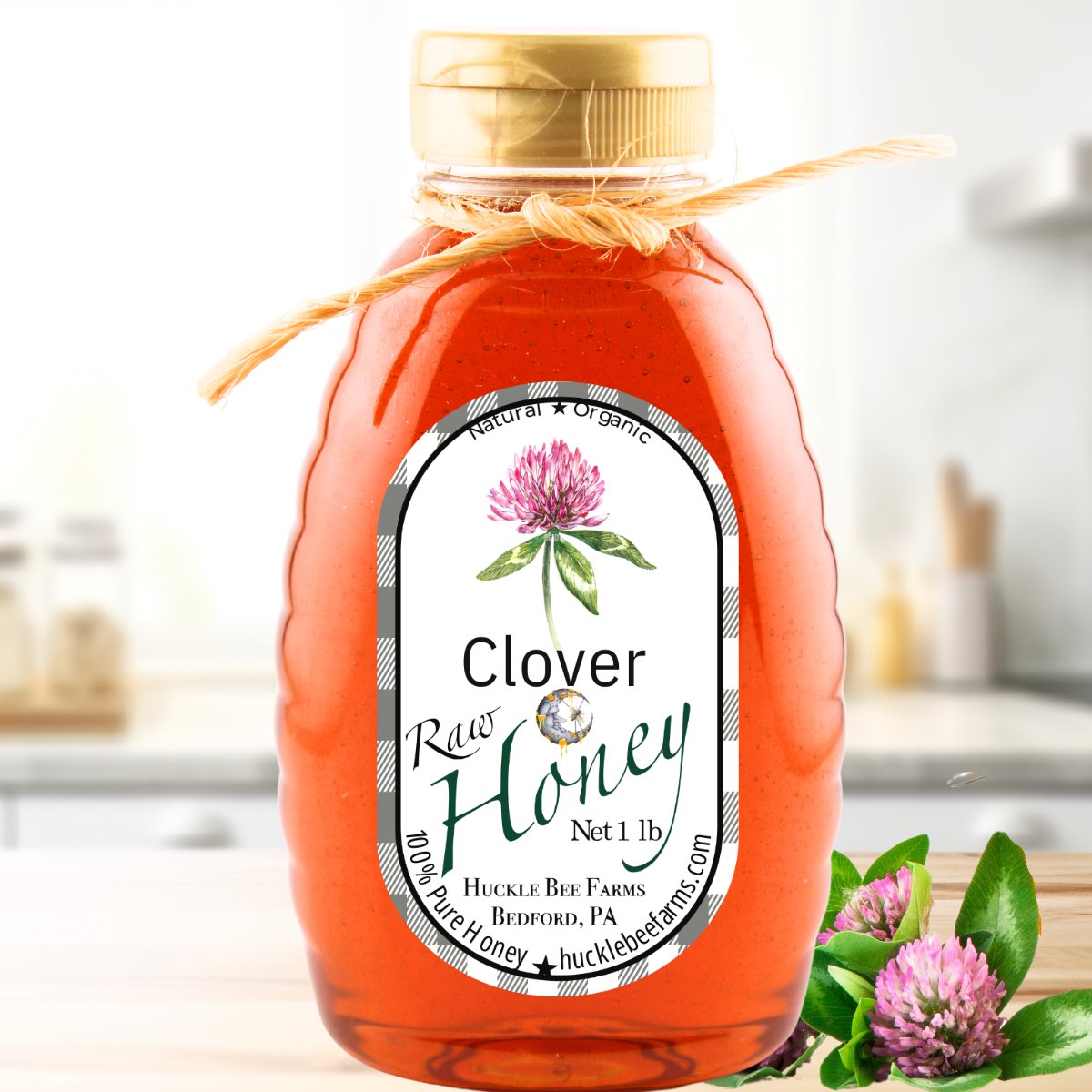
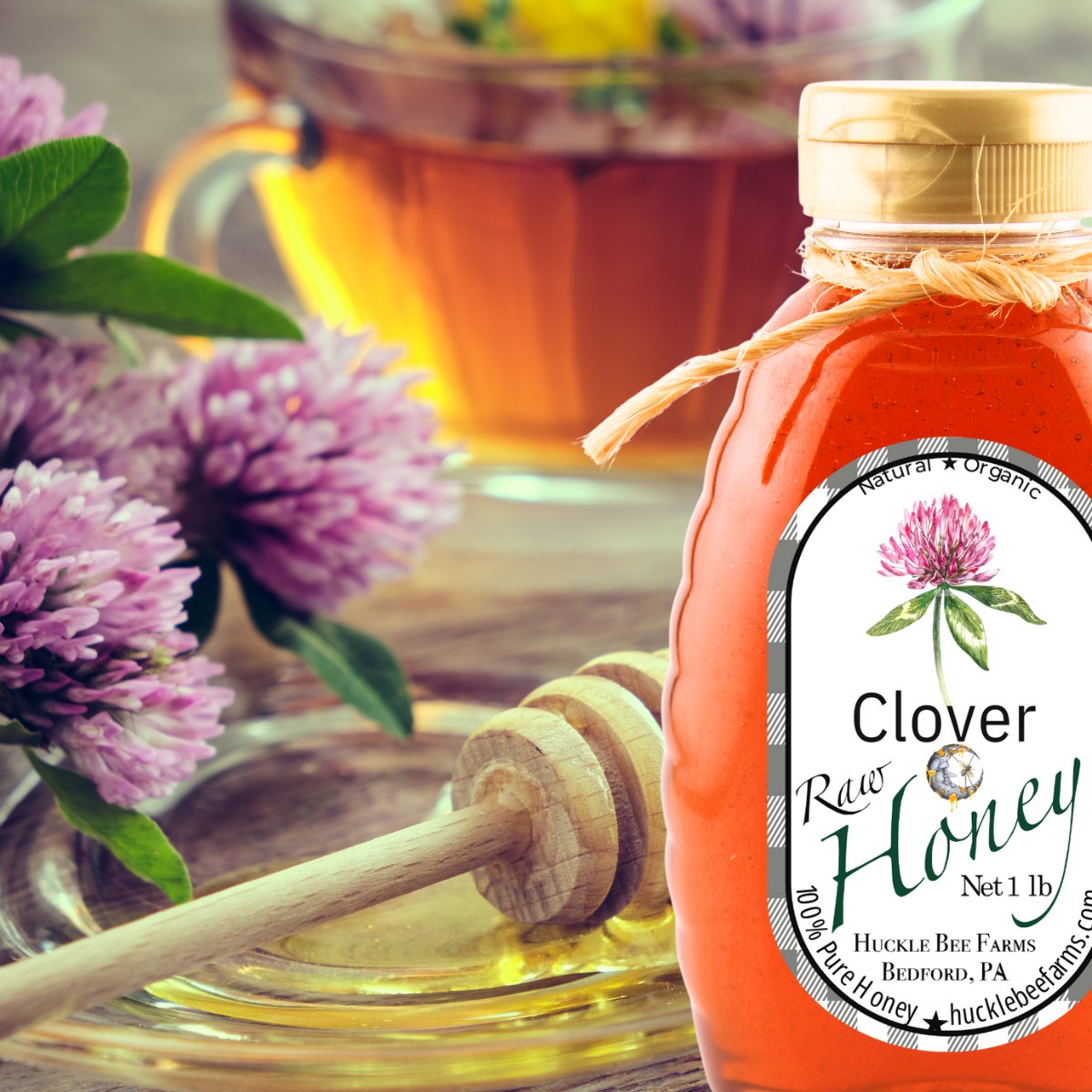
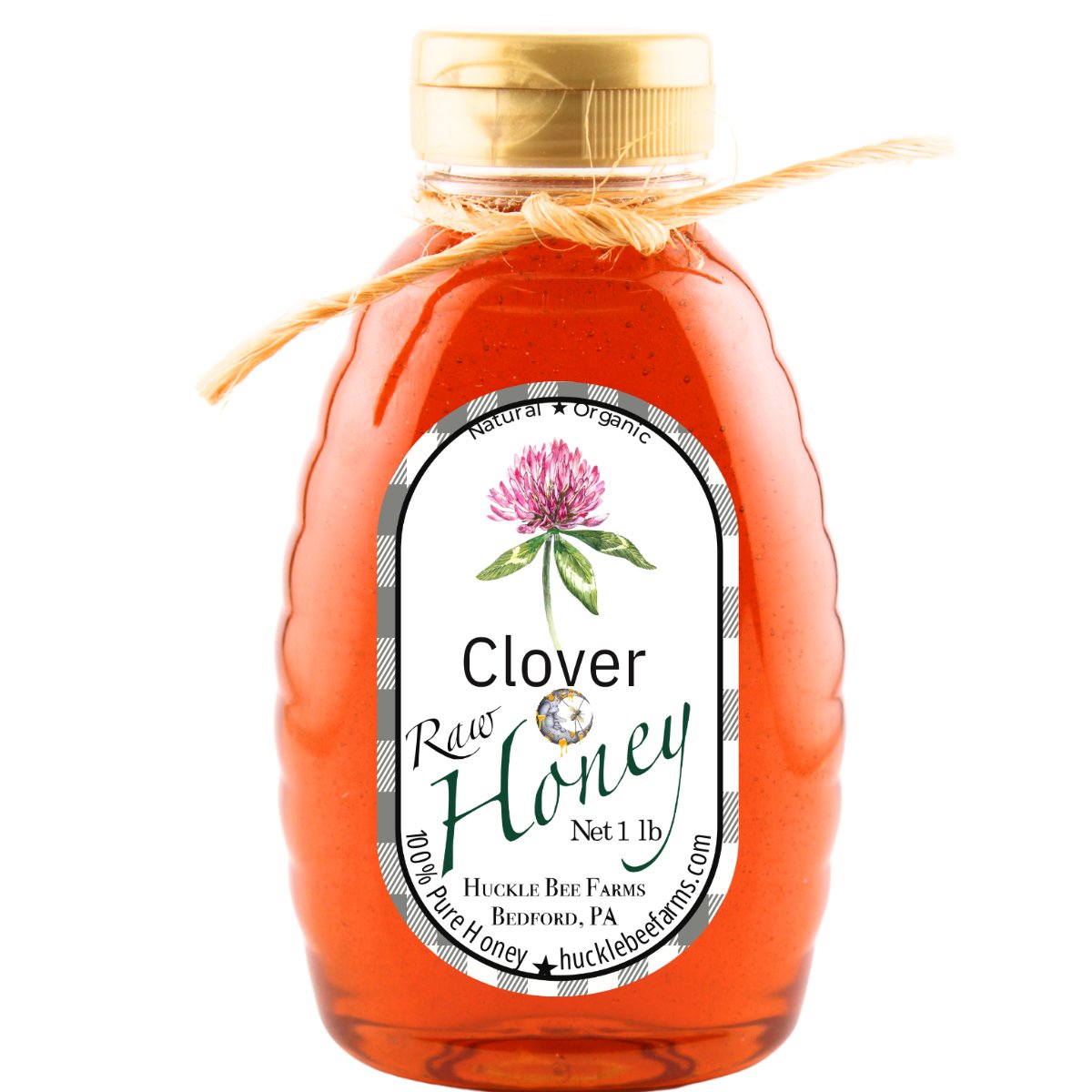
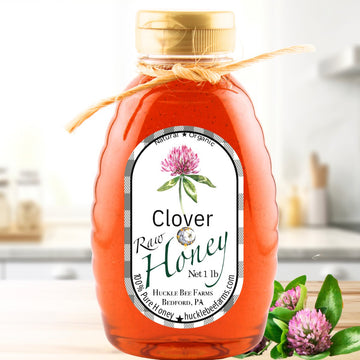
- Clover Honey: A common and milder honey, clover honey still provides valuable prebiotics and enzymes. Its gentler profile might be preferred by those new to raw honey or with very sensitive digestive systems. It's versatile for everyday use in beverages and light dishes.
- Manuka Honey: While primarily recognized for its potent antimicrobial properties (due to Methylglyoxal, MGO), Manuka honey also contains unique oligosaccharides and polyphenols. Its strong antimicrobial action can help rebalance gut flora by suppressing opportunistic pathogens, though it should be used judiciously to avoid disrupting beneficial bacteria.
- Wildflower Honey: As a blend from various blossoms, wildflower honey often boasts a diverse profile of prebiotics and antioxidants, reflecting the biodiversity of its origin. This broad spectrum can offer comprehensive support for a balanced microbiome and general gut resilience.
Choosing honey from diverse floral landscapes can provide a wider range of beneficial compounds, potentially leading to more comprehensive gut health support. Experimenting with different types can also introduce new flavors and textures to your gut-friendly recipes.


The Gut-Brain Axis Connection: How Honey's Benefits Extend Beyond Digestion
The intricate connection between your gut and brain, known as the gut-brain axis, means that a healthy digestive system can profoundly impact your mental well-being. Raw honey's contributions to gut health, therefore, extend beyond just easing digestion; they can indirectly support mood, cognitive function, and stress response.
Nourishing the Gut, Nurturing the Mind
When raw honey's prebiotics feed beneficial gut bacteria, these microbes produce short-chain fatty acids (SCFAs) like butyrate. SCFAs are not only vital for gut barrier integrity but also communicate with the brain, influencing neurotransmitter production (like serotonin, much of which is made in the gut) and reducing systemic inflammation. A balanced microbiome, fostered by prebiotics, can lead to:
- Improved Mood Regulation: By supporting the production of mood-stabilizing neurotransmitters.
- Reduced Stress Response: A healthier gut can modulate the body's stress hormones.
- Enhanced Cognitive Function: Less inflammation and better nutrient absorption can support brain clarity and focus.
While raw honey isn't a direct treatment for mental health conditions, its role in promoting a thriving gut microbiome underscores its potential as a complementary food for holistic well-being, highlighting that a happy gut often leads to a happier mind.
Why Choose Huckle Bee Farms' Raw Honey for Digestive Support?
At Huckle Bee Farms, we produce small-batch artisan raw honeys labeled "100% Pure Raw Honey" and never pasteurize or overheat our jars. That minimal processing helps preserve enzymes, oligosaccharides, and polyphenols that matter for digestive support. Choosing a supplier that prioritizes gentle handling and pollinator health increases the chance the product retains the biologically active fractions useful for prebiotic action and mucosal protection. If you want a practical purchase cue, look for raw, small-batch honey with clear labeling about no pasteurization—those signals match the biological reasons discussed here and support better digestive outcomes when used thoughtfully.
| Product Attribute | Why It Matters Biologically | Customer/SEO Benefit |
|---|---|---|
| Never pasteurized / minimal processing | Preserves enzymes (amylase, invertase) and oligosaccharides | Greater enzyme retention; more effective prebiotic action |
| Small-batch artisan production | Tighter quality control; less heat exposure | Consistent flavor and bioactive profile; trust signal |
| Commitment to pollinator health | Encourages floral diversity and terroir | Broader polyphenol and oligosaccharide diversity; potential enhanced benefits |
This table links sourcing and processing choices to digestive benefits and buyer considerations. The next section explains the practices we use to preserve honey’s gut-friendly properties.
What Makes Huckle Bee Farms' Raw Honey Pure and Gut-Friendly?
We handle honey in small batches and avoid pasteurization and excessive heating so native enzymes and oligosaccharides remain intact—these are key to honey’s digestive activity. By focusing on the honey’s natural matrix rather than refining or adding stabilizers, we keep the product close to how bees leave it. For shoppers, reading labels for "raw" and "never pasteurized" and choosing small-batch producers increases the chances of getting honey with meaningful prebiotic and enzymatic content. Those quality cues are practical proxies for the biochemical properties we recommend for digestive support.
How Does Sustainable Sourcing Enhance Honey's Digestive Benefits?
Sustainable sourcing and support for pollinator health broaden the range of flowers bees visit, producing honey with more varied oligosaccharides and a wider polyphenol spectrum. That terroir-driven diversity means a richer mix of bioactive compounds, which can produce broader microbial modulation than a mono-floral, heavily processed honey. Backing beekeepers who care for pollinators aligns ecological stewardship with product quality—consumers get honey that’s ethically made and more likely to contain the complex chemistry helpful for gut health. Choosing sustainably managed honey is an easy way to favor products with higher potential digestive utility.
How Can You Incorporate Raw Honey into Your Daily Routine for Gut Wellness?

Adding raw honey to your routine for gut wellness works best when you treat it as a complementary prebiotic ingredient alongside fiber-rich foods and probiotic sources. Time servings with meals to support digestion and start with small doses to check tolerance. Simple habits—a honey-sweetened yogurt parfait, a morning honey-ginger tea, or a honey-lime dressing—pair honey’s oligosaccharides and enzymes with gut-friendly foods for a synergistic effect. For consistent results, use modest amounts regularly rather than large, infrequent doses, and combine honey with probiotic-rich dairy or fermented foods to supply both substrates and live strains.
The next subsection offers easy recipes focused on digestive support.
Try these simple, gut-friendly recipes that put raw honey front and center:
- Honey-Yogurt Parfait: Layer plain live-culture yogurt with fresh fruit, a teaspoon of raw honey, and a sprinkle of fiber-rich seeds for a probiotic-plus-prebiotic breakfast.
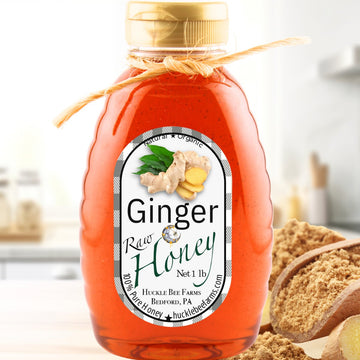
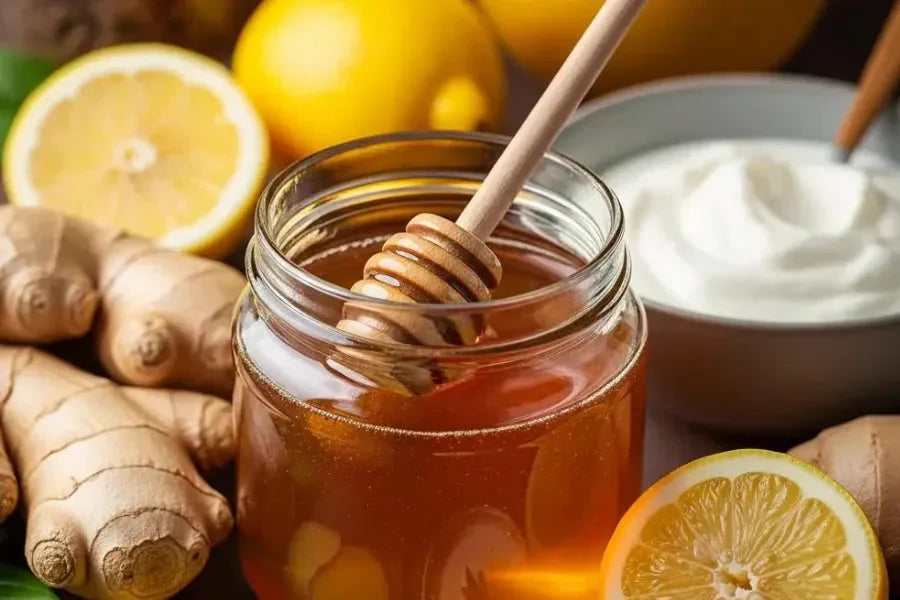
- Honey-Ginger Tea: Steep fresh ginger in hot water, add a teaspoon of raw honey and lemon; sip slowly after meals to soothe digestion and support motility.
- Honey-Lime Salad Dressing: Whisk raw honey with lime juice, olive oil, and a pinch of salt to dress fiber-rich greens—this pairs honey’s enzymes with plant fibers for fermentation.
- Honey-Oat Breakfast: Stir a teaspoon of raw honey into overnight oats with chia seeds and berries to combine soluble fiber and prebiotic substrates.
These recipes pair honey with probiotics and fiber to maximize its prebiotic value while supporting enzyme-assisted digestion. Start with about one teaspoon per serving and adjust for taste and tolerance; the next section covers dosing and safety.
What Are Some Gut-Friendly Raw Honey Recipes?
The recipes above are templates that emphasize pairing raw honey with probiotic and fiber-rich foods to boost gut benefits and limit fermentation-related discomfort. The honey-yogurt parfait gives live cultures immediate fuel, while honey-ginger tea combines ginger’s anti-inflammatory properties with honey’s mucosal-soothing effects. These dishes are quick to prepare, easy to adapt for calorie or carb needs, and suitable for daily rotation to provide steady prebiotic exposure. If you monitor blood sugar or calories, reduce portion sizes or frequency while keeping the pairing principles intact.
🍯 Honey Gut-Health Mini-Quiz
How Much Raw Honey Should You Consume for Digestive Health?
For digestive support, a practical serving is about 1 to 2 teaspoons (roughly 5–10 grams) once or twice daily with meals or probiotic foods. This provides fermentable oligosaccharides and preserves enzyme activity without too much added sugar. Begin with one teaspoon to test tolerance—especially if you have blood sugar concerns—and watch symptoms over 1–2 weeks to gauge effects on bloating or stool pattern. Remember: infants under one year should never have honey, and people with diabetes or severe allergies should check with a clinician before regular use. Pairing honey with fiber and live cultures improves effectiveness and lowers the risk of sugar-driven imbalance from excessive standalone use.
These dosing suggestions help you evaluate outcomes and compare honey with other dietary strategies. The final section answers common reader questions in straightforward terms.
Beyond the Buzz: Common Myths and Facts About Raw Honey for Gut Health
Navigating the world of natural remedies can sometimes lead to misconceptions. Here, we clarify some common beliefs about raw honey and its role in gut health, providing accurate, evidence-aligned information.
MYTH: Raw honey is a powerful probiotic supplement.
FACT: While raw honey contains beneficial compounds, it is primarily a prebiotic, meaning it feeds existing good bacteria. It does not contain significant, standardized live probiotic strains like fermented foods or supplements. For probiotic benefits, pair honey with live-culture yogurt or kefir.
MYTH: All honey offers the same gut health benefits.
FACT: The processing and floral source of honey significantly impact its benefits. Pasteurized honey loses many of its beneficial enzymes and some oligosaccharides. Different floral sources (e.g., buckwheat vs. clover) also yield varying concentrations of polyphenols and specific prebiotics, leading to distinct health profiles.
MYTH: More honey means more gut benefits.
FACT: Moderation is key. While beneficial, honey is still a sugar. Excessive consumption can lead to blood sugar spikes or, for some sensitive individuals, increased fermentation and gas. Small, consistent doses (1-2 teaspoons daily) are generally more effective and safer for long-term gut wellness.
MYTH: Honey can cure serious digestive diseases like IBD or severe GERD.
FACT: Raw honey can offer complementary support for mild digestive issues and general gut health. However, it is not a cure or primary treatment for chronic or severe gastrointestinal conditions. Always consult a healthcare professional for diagnosis and management of serious digestive diseases.
What Are Common Questions About Raw Honey and Digestive Health?
People often ask whether raw honey really helps gut health and whether it contains live probiotics. Short, evidence-minded answers set realistic expectations and next steps. Raw honey mainly acts as a prebiotic food and supplies enzymes and anti-inflammatory compounds that together support digestion, but it’s not a cure for serious GI disease. Combining honey with probiotic foods, fiber, and medical guidance when necessary produces the most consistent results. Below we address several high-interest questions and note product-purity considerations where relevant.
Practical points to weigh when assessing honey for gut health:
- Effectiveness: Honey supports digestion through multiple mechanisms but is complementary, not curative.
- Safety: Avoid for infants under one year; consult a clinician if you have diabetes or severe allergies.
- Pairing: Combine honey with probiotics and fiber for best results.
Is Raw Honey Effective for Improving Gut Health?
Yes—raw honey can improve certain aspects of gut health, such as encouraging beneficial bacterial growth, easing mild indigestion, and reducing low-grade inflammation, particularly when used consistently and alongside fiber and probiotic foods. Studies and fermentative work show modest shifts in microbiome composition and symptom reduction for some people, though results depend on baseline diet, honey type, and dose. It’s important to be realistic: honey complements broader dietary strategies and doesn’t replace medical care for inflammatory bowel disease or severe GERD. If you seek relief for persistent symptoms, consult a healthcare provider while making dietary changes.
Does Raw Honey Contain Probiotics or Only Prebiotics?
Raw honey is primarily a source of prebiotic substrates—non-digestible oligosaccharides and sugars that feed beneficial microbes—rather than a reliable reservoir of standardized probiotic strains. Any microbes found in honey tend to be environmental or transient rather than the live probiotic strains used in supplements. That’s why pairing one teaspoon of raw honey with a probiotic-rich food, like live-culture yogurt, is a practical way to give both the live microbes and the fuel they need to thrive.
Huckle Bee Farms’ emphasis on "100% Pure Raw Honey" and minimal processing supports these prebiotic and enzyme-preserving qualities, offering a product aligned with the biological mechanisms we’ve described.
This guide has covered how raw honey acts as a multi-modal digestive aid—providing prebiotic oligosaccharides, digestive enzymes, and anti-inflammatory polyphenols—offered recipes and serving guidance, and explained why small-batch, never-pasteurized honey supports these effects. Introduce honey gradually, pair it with fiber and probiotic foods, and consult a clinician for persistent or serious digestive issues.
Frequently Asked Questions
1. Can raw honey be used as a substitute for traditional probiotics?
Raw honey contains prebiotic compounds that help beneficial gut bacteria, but it’s not a substitute for probiotics. Probiotics are live microbes that provide health benefits when consumed in effective amounts. Honey complements probiotic foods by supplying substrates those microbes use. For balanced gut support, include both raw honey and probiotic-rich foods in your diet.
2. How should I store raw honey to maintain its health benefits?
Store raw honey in a cool, dark place away from direct heat and sunlight. Don’t refrigerate—cold can speed crystallization. Use an airtight container to prevent moisture uptake, which can lead to fermentation. Proper storage helps preserve enzymes, oligosaccharides, and polyphenols so the honey retains its digestive-supportive qualities.
3. Are there any side effects associated with consuming raw honey?
For most people, raw honey is safe in moderation. Some individuals may have allergic reactions, especially if they’re sensitive to pollen or bee products. Honey is high in natural sugars, so people with diabetes should consult a healthcare provider before regular use. Start with small amounts to assess tolerance, particularly if you have underlying health conditions.
4. Can children consume raw honey, and if so, at what age?
Do not give raw honey to infants under one year old because of the small risk of botulism. For children older than one, raw honey can be introduced gradually as part of a balanced diet. It may offer prebiotic benefits, but watch for allergic reactions or sensitivities and consult a pediatrician if you have concerns.
5. How does the floral source of raw honey affect its health benefits?
The floral source shapes honey’s nutrient profile, including polyphenol and oligosaccharide types and concentrations. Different flowers give honey distinct flavors, colors, and potential health effects—buckwheat honey often has higher antioxidant content, while clover is milder. Selecting honey from diverse floral sources can broaden its overall health benefits and may make it a more effective digestive aid.
6. Is there a specific time of day that is best to consume raw honey for digestive health?
There’s no single best time—many people find it helpful with meals or as a snack to boost digestion. Taking honey with fiber-rich foods or probiotics enhances its prebiotic action. Some prefer it in the morning to jumpstart digestion or before bed to support overnight gut processes. Choose what fits your routine and digestive response.
7. Can raw honey help with other digestive issues beyond bloating and reflux?
Raw honey may help with a range of mild digestive complaints. Its enzymes can aid carbohydrate breakdown and its anti-inflammatory properties may soothe the gut lining, which can help with indigestion and low-grade inflammation. However, honey should not replace medical treatment for serious gastrointestinal conditions—consult a healthcare provider for persistent issues.
Further Reading & References
To deepen your understanding of raw honey's role in digestive health, we recommend exploring the following research and articles. These sources provide scientific backing for the mechanisms and benefits discussed in this guide.
- Al-Waili, N. S. (2004). Therapeutic and prophylactic effects of honey on cardiovascular and gastrointestinal disorders: a review. European Journal of Medical Research, 9(10), 480-489.
- Erejuwa, O. O., Sulaiman, S. A., & Wahab, M. S. A. (2012). Honey: A novel antioxidant. Molecules, 17(4), 4400-4423. (Focuses on antioxidant and anti-inflammatory properties)
- Kwok, S. K., & Al-Sohaimy, S. A. (2019). Honey as a functional food: A review of its composition, health benefits, and food applications. Journal of Food Science and Technology, 56(10), 4399-4411. (Covers prebiotics, enzymes, and general health benefits)
- Mandal, M. D., & Mandal, S. (2011). Honey: its medicinal property and antibacterial activity. Asian Pacific Journal of Tropical Biomedicine, 1(2), 154-160. (Discusses antimicrobial aspects relevant to gut flora modulation)
- Samarghandian, S., Farkhondeh, T., & Samini, F. (2017). Honey and health: A review of recent clinical research. Pharmacognosy Research, 9(2), 121-127. (Summarizes clinical evidence for various health benefits, including digestive)
- Shamala, T. R., & Prakash, V. (2006). Honey: A potential source of prebiotics. Journal of Food Science and Technology, 43(6), 577-580. (Specific focus on honey's prebiotic components)
- Yaghoobi, R., & Kazerouni, A. (2013). Evidence for clinical use of honey in wound healing as an anti-inflammatory and anti-bacterial agent. Iranian Journal of Medical Sciences, 38(1), 2-7. (While topical, principles of anti-inflammatory action are relevant to mucosal health)
Conclusion
Adding raw honey to your meals can be a simple, effective way to support digestion—bringing together prebiotic sugars, native enzymes, and anti-inflammatory polyphenols. Choosing high-quality, small-batch raw honey helps preserve those benefits. Start with small, regular servings, pair honey with fiber and probiotic foods, and watch how your digestion responds. Explore our selection of premium raw honeys when you’re ready to try a farmer-first option.
Ready to Experience the Difference?
Discover Huckle Bee Farms' premium raw honeys, crafted with care to preserve nature's goodness for your gut wellness journey.

Author - Jim Douglas - Founder Huckle Bee Farms
For Jim Douglas, beekeeping is more than a craft—it’s a commitment to purity and the environment. After an honorable career in the U.S. Army and a tenure as a COO for the Boy Scouts of America, Jim sought a way to combine his leadership experience with his love for the outdoors.
In 2012, he founded Huckle Bee Farms with a simple mission: to take honey back to its raw, unadulterated roots. Jim’s expertise lies in the delicate balance of infusing raw honey with organic ingredients without compromising its natural medicinal properties. His "small-batch" philosophy ensures that every jar meets the highest standards of quality and transparency. Today, Jim continues to lead Huckle Bee Farms with the same integrity he practiced in uniform, ensuring that every drop of honey supports both the health of the consumer and the survival of the honeybee.
His mission is simple: to make life a little sweeter—naturally.
Key Takeaways on Raw Honey for Digestive Health
This list summarizes the essential points regarding the benefits and uses of raw honey for supporting digestive health, highlighting its mechanisms and practical applications.
- Natural Prebiotic Source: Raw honey contains oligosaccharides that nourish beneficial gut bacteria, promoting a healthy microbiome and enhancing digestion.
- Digestive Enzymes: It provides native enzymes like amylase and invertase, which assist in breaking down carbohydrates, reducing bloating and gas.
- Anti-Inflammatory Properties: The polyphenols in raw honey help reduce gut inflammation, supporting mucosal health and overall digestive comfort.
- Synergistic Effects with Probiotics: Combining raw honey with probiotic-rich foods enhances its prebiotic effects, leading to improved gut health outcomes.
- Gentle on the Gut: Regular, moderate consumption of raw honey can alleviate mild digestive issues such as bloating and acid reflux without harsh side effects.
- Quality Matters: Choosing small-batch, unprocessed raw honey ensures the retention of beneficial enzymes and nutrients essential for digestive support.
- Practical Incorporation: Incorporate raw honey into your diet through recipes like yogurt parfaits or honey-ginger tea to maximize its digestive benefits.